Mastering the Artist Toolkit: Strategic Growth & Profit
artist toolkit
Understanding the full scope of a professional artist toolkit goes far beyond brushes and canvases. For any creative professional aiming for sustained success, this toolkit encompasses not only the essential physical and digital instruments but also a robust framework of business acumen, financial intelligence, and strategic intellectual property management. It’s about building a resilient career, not merely producing art in isolation.
A truly effective artist toolkit empowers creators to navigate the complexities of the modern art market. This holistic approach ensures artists are equipped to create, market, protect, and profit from their work, transforming passion into a viable profession. Neglecting any of these components can significantly hinder long-term growth and financial stability.
Building a Comprehensive Artist Toolkit for Sustainable Success
The contemporary art landscape demands a multifaceted approach. Artists must think of themselves as entrepreneurs, managing various facets of their practice with the same rigor applied to their craft. This includes everything from studio organization to sophisticated financial planning.
Creative & Studio Essentials: Beyond the Basics
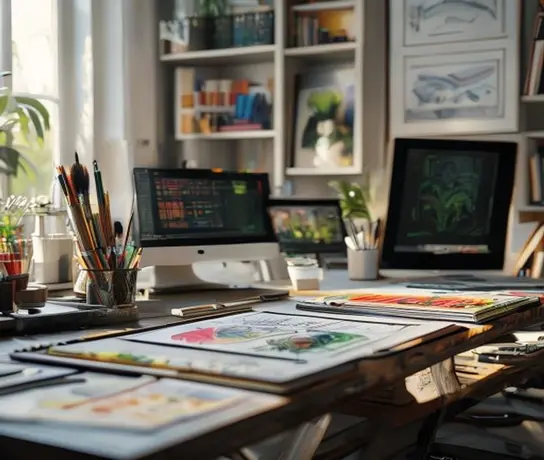
While the focus here extends beyond art supplies, a well-organized and inspiring studio remains fundamental. High-quality materials and efficient workspace management directly impact production quality and volume. Digital tools, such as advanced design software and reliable hardware, are now indispensable for many disciplines, from graphic arts to animation and even traditional art pre-visualization.
Consider the investment in archival materials and ergonomic studio furniture. These choices contribute to both the longevity of the artwork and the artist’s physical well-being. According to leading art conservators, proper material selection can significantly reduce long-term restoration costs and increase artwork value.
Digital Presence and Brand Management
An artist’s online footprint is as crucial as their physical portfolio. A professional website serves as the primary gallery, showcasing work, sharing the artist’s statement, and facilitating sales. Strong social media engagement and effective email marketing build community and attract collectors.
Developing a consistent brand identity across all platforms is key. This includes a cohesive visual style, a clear voice, and a compelling narrative that resonates with the target audience. Effective strategies for an artist’s website ensure discoverability, connecting their work with interested buyers and collaborators.
Business Acumen & Financial Health
The most profound shift for many artists involves embracing business principles. This aspect of the artist toolkit includes mastering pricing strategies, drafting clear contracts, managing invoices, and understanding tax obligations. Diversifying income streams – through commissions, sales, licensing, teaching, or grants – creates financial resilience.
Financial forecasting and budgeting are not just for corporations. Artists benefit immensely from tracking expenses, setting revenue goals, and planning for seasonal fluctuations. As reported by financial planning organizations focused on creative professionals, artists who actively manage their finances are significantly more likely to sustain their careers over decades.
| Toolkit Component | Key Elements | Impact on Career |
|---|---|---|
| Creative Essentials | Quality materials, digital software, studio setup | Production efficiency, artwork quality, creative exploration |
| Digital Presence | Website, social media, online portfolio, SEO | Audience reach, sales, networking, brand building |
| Business & Finance | Contracts, pricing, budgeting, income diversification | Financial stability, professional reputation, growth potential |
| Legal & IP | Copyright registration, licensing agreements, trademarks | Asset protection, revenue generation, legacy building |
Legal & Intellectual Property Safeguards
Protecting intellectual property (IP) is a cornerstone of the professional artist toolkit. Copyright is automatically granted upon creation, but registering it provides stronger legal recourse against infringement. Licensing artwork for reproduction in various forms (prints, merchandise, digital media) offers a vital passive income stream.
Understanding contract law related to gallery representation, commissions, and collaborations prevents disputes and ensures fair compensation. As guidelines from the World Intellectual Property Organization (WIPO) emphasize, proactive IP management is crucial for artists to control their creations and leverage them for commercial gain.
Expert Opinion: Debunking the Starving Artist Myth
The persistent myth of the “starving artist” often undermines the pursuit of art as a viable profession. This outdated narrative discourages strategic business planning, suggesting that financial struggle is an inherent part of the creative journey. However, experience shows that artists who integrate sound business and financial strategies into their practice are far more likely to thrive.
The true obstacle isn’t a lack of talent, but often a lack of an holistic artist toolkit that includes entrepreneurial skills. Instead of passively waiting for opportunities, successful artists proactively build their brand, diversify revenue, protect their assets, and engage directly with their market. This active approach transforms the precarious “starving artist” into a resilient, profitable creative entrepreneur.
Developing a comprehensive artist toolkit requires consistent effort and learning. Here are key steps:
- Assess Current Needs: Identify gaps in creative, business, digital, and legal aspects of your practice.
- Invest Strategically: Prioritize tools and education that offer the highest return on investment for your specific art form.
- Build Digital Infrastructure: Establish a professional website, optimize online portfolios, and learn digital marketing basics.
- Master Financial Literacy: Understand pricing, budgeting, invoicing, and tax implications specific to artists.
- Educate on IP: Familiarize yourself with copyright, licensing, and contract fundamentals to protect your work.
- Network Actively: Engage with other artists, gallerists, collectors, and business mentors.
Ultimately, a robust artist toolkit is not a static collection of items but a dynamic, evolving ecosystem of resources, skills, and strategic thinking. It’s the framework upon which a sustainable, profitable, and impactful artistic career is built.