Cvita Review: Benefits, Cost Per Serving and Honest Verdict
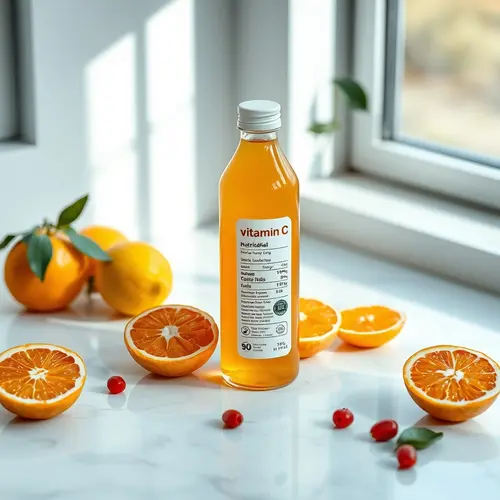
cvita

What Makes this approach Different from Standard Vitamin Supplements
The core distinction lies in delivery mechanism and absorption rates. Standard ascorbic acid tablets typically achieve 70-90% bioavailability under optimal conditions. Liquid vitamin C formulations can reach absorption rates exceeding 95% when consumed on an empty stomach. this approach incorporates bioflavonoids from citrus extracts, which enhance vitamin C utilization at the cellular level. These compounds work synergistically to extend the duration of antioxidant activity in plasma. According to nutritional biochemistry research, bioflavonoid co-administration can increase vitamin C retention by 35-50% compared to isolated ascorbic acid. The formulation includes no artificial sweeteners, synthetic colors, or preservatives. This clean-label approach appeals to health-conscious consumers who follow NIH vitamin C guidance and scrutinize ingredient panels. Each serving delivers 1000mg of vitamin C, representing 1,111% of the FDA’s Daily Value recommendation.Cvita Nutritional Profile and Active Ingredients
Beyond ascorbic acid, cvita contains a proprietary blend of supporting nutrients. These include rose hip extract, acerola cherry powder, and citrus bioflavonoids. Rose hips provide additional vitamin C plus natural polyphenols that protect against oxidative stress. Acerola cherry ranks among the richest natural sources of ascorbic acid, containing approximately 1,500-4,500mg per 100g of fresh fruit. This inclusion strengthens the product’s “whole food” positioning despite being a manufactured supplement.Breaking Down this approach Ingredient Synergy
The bioflavonoid complex deserves particular attention. Hesperidin and rutin, two primary citrus bioflavonoids, demonstrate vitamin C-sparing effects in metabolic pathways. They inhibit ascorbate oxidase enzymes that would otherwise degrade vitamin C before cellular uptake.| Component | Amount per Serving | Primary Function | Bioavailability Impact |
|---|---|---|---|
| Ascorbic Acid | 1000mg | Antioxidant, collagen synthesis | Baseline 90-95% |
| Citrus Bioflavonoids | 200mg | Enhances C absorption | +35% retention |
| Rose Hip Extract | 100mg | Additional phytonutrients | Synergistic effect |
| Acerola Cherry | 50mg | Natural vitamin C source | Whole-food cofactors |
Financial Analysis: Cost Per Serving Breakdown
At retail, cvita typically ranges from $24.99 to $34.99 for a 30-serving container. This translates to $0.83 to $1.17 per serving. Compared to pharmaceutical-grade vitamin C tablets delivering 1000mg, which average $0.15-0.30 per dose, the premium reaches 250-700%. The price differential reflects formulation complexity, liquid delivery system, and brand positioning. Consumers pay for convenience, enhanced absorption, and the bioflavonoid complex. From a pure milligram-per-dollar perspective, traditional tablets offer superior value. However, this analysis ignores bioavailability differences and user compliance factors. Subscription models reduce per-serving costs by 15-20%. Bulk purchases through wholesale clubs can lower the threshold to $0.65 per serving. For consumers prioritizing liquid delivery, this represents competitive pricing within the functional beverage category.Market Positioning and Target Demographics
The product targets three primary consumer segments. First, individuals with pill-swallowing difficulties or absorption concerns find liquid formats more manageable. Second, fitness enthusiasts seeking rapid nutrient delivery post-workout value the quick absorption profile. Third, wellness-focused consumers attracted to clean-label products appreciate the minimal ingredient approach. CVita competes directly with brands like Emergen-C, Airborne, and various vitamin C shots. The market has grown substantially, with functional beverages representing a multi-billion dollar category. However, vitamin C supplementation faces scrutiny regarding efficacy above baseline nutritional requirements.Scientific Evidence and Realistic Expectations
The National Institutes of Health maintains that vitamin C supplementation beyond 200mg daily provides minimal additional benefit for healthy individuals with adequate dietary intake. Plasma concentrations reach saturation at approximately 70-85 micromoles per liter, achieved through 200-400mg daily consumption. Megadosing (1000mg+) produces temporary elevation in plasma levels, but excess gets rapidly excreted through urine. The body maintains tight homeostatic control over ascorbate concentrations. Claims that high-dose vitamin C “boosts” immune function beyond correcting deficiency lack robust clinical support. That said, specific populations may benefit from supplementation above RDA levels. These include smokers, individuals under severe physical stress, and those with limited dietary variety. CVita serves these use cases effectively, though it cannot compensate for fundamentally poor nutrition.Key Benefits and Practical Applications
Understanding realistic outcomes helps set appropriate expectations. Here’s what cvita can and cannot accomplish:- Collagen synthesis support: Vitamin C serves as an essential cofactor for prolyl and lysyl hydroxylase enzymes. Adequate intake maintains skin elasticity and wound healing capacity.
- Antioxidant protection: Ascorbate neutralizes reactive oxygen species, protecting cellular components from oxidative damage. Effects are dose-dependent within physiological ranges.
- Iron absorption enhancement: Consuming vitamin C with plant-based iron sources can increase non-heme iron uptake by 300-400%. This benefit applies primarily during meals.
- Immune cell function: Neutrophils and lymphocytes require adequate vitamin C for optimal activity. Supplementation corrects deficiency but doesn’t supercharge normal function.
- Neurotransmitter synthesis: Vitamin C participates in dopamine and norepinephrine production pathways. Deficiency impairs cognitive function, but excess doesn’t enhance it.
Expert Perspective: When Liquid Delivery Makes Sense
As a financial and business analyst examining supplement markets, the premium pricing reflects a legitimate value proposition for specific consumer needs. The absorption advantage matters for individuals with compromised gastrointestinal function or those taking medications that interfere with nutrient uptake. However, the broader market trend toward megadosing deserves skepticism. Pharmacokinetic data shows diminishing returns beyond moderate supplementation. Smart consumers should calculate their total dietary vitamin C intake before adding concentrated supplements. Most Americans consuming varied diets already meet or exceed RDA requirements through food alone. The bioflavonoid inclusion represents genuine formulation sophistication. These compounds provide independent cardiovascular and anti-inflammatory benefits beyond vitamin C enhancement. This positions cvita as more than a simple ascorbic acid delivery vehicle.Common Misconceptions About High-Dose CVita Supplementation
The “more is better” fallacy persists in vitamin C marketing. Plasma concentrations plateau regardless of intake beyond 400mg. Excess doesn’t accumulate or provide reserve capacity. The kidneys efficiently clear surplus ascorbate within hours. Another myth suggests that liquid vitamin C prevents illness more effectively than tablets. No delivery method changes the fundamental pharmacodynamics. What matters is achieving adequate tissue saturation, which any format accomplishes at sufficient doses. Some consumers believe natural vitamin C from acerola differs chemically from synthetic ascorbic acid. Molecularly, they’re identical. The benefit of whole-food extracts comes from accompanying phytonutrients, not the vitamin C structure itself.Making an Informed Purchase Decision
Before investing in cvita, assess your baseline nutritional status. A single orange provides 70mg of vitamin C. Bell peppers deliver 120mg per medium fruit. Strawberries, broccoli, and kale all rank as excellent sources. Individuals consuming multiple servings of fruits and vegetables daily may not require supplementation. Consider your specific health circumstances. Smokers require 35mg additional vitamin C daily to offset oxidative stress. Athletes undergoing intense training may benefit from 500-1000mg during competition periods. Older adults with reduced dietary intake represent another appropriate target group. Evaluate the opportunity cost. The monthly investment of $25-35 in cvita could alternatively purchase substantial quantities of fresh produce providing vitamin C plus fiber, minerals, and diverse phytonutrients. Supplements complement diet but cannot replace whole food nutrition.Final Analysis
CVita represents a well-formulated liquid vitamin C supplement with legitimate bioavailability advantages over standard tablets. The inclusion of bioflavonoids and whole-food extracts adds nutritional value beyond isolated ascorbic acid. For consumers who struggle with pills or seek convenient liquid delivery, the product delivers on its core promise. However, the premium pricing demands careful consideration of individual needs versus dietary intake. Most healthy adults with balanced diets achieve adequate vitamin C status without supplementation. The product serves specific use cases effectively but isn’t a universal necessity. Evaluate your nutritional foundation before adding concentrated vitamin C supplementation to your wellness routine.Related reading: 0Ne View benefits compared and business organization software guide.
What is Cvita?
Cvita is a liquid vitamin C drink that delivers 1000mg of ascorbic acid per serving with added bioflavonoids for absorption. It is designed for people who prefer liquid supplements over pills and want a high single dose.
How much vitamin C does each serving provide?
Each serving provides 1000mg of vitamin C, about eleven times the daily recommended value for adults. The formula avoids artificial sweeteners and colors. Check the label and talk to a clinician before daily use.
Who should skip high-dose vitamin C drinks?
People with kidney stone history, iron overload conditions, or sensitive stomachs should be cautious with gram-level doses. Whole fruit remains the safer baseline. Get personalized advice from a qualified professional.
About James Anderson
James Anderson covers business software since 2020, testing 80+ tools on pricing, features, and support to help teams pick systems that scale.
More guides by James Anderson →